
Driving in Uganda: License, Insurance, Checkpoints & Rules
There’s no any other place in the world that will give you that once in a lifetime feeling than a road trip in Uganda.
From the iconic scenic views of the rolling green valleys to the incredible people, there’s quite a lot that this lovely country does have to offer.
And the only way to reach these destinations is by renting a reliable 4×4 car with us at the best car hire Entebbe prices.
Self drive in Uganda is one of the best ways to experience the country. With this option, you set your own pace, stop wherever the view demands it and aren’t tied to a group itinerary.
But before you pick up the car rental Uganda keys, it’s worth knowing exactly what’s legally required of you, how insurance actually works here, and what a normal police checkpoint looks like because most of the anxiety around self drive Uganda comes from not knowing these basics, not from the roads themselves.
In this 4×4 car rental Uganda guide, we take you through everything a foreign visitor needs to know: your license and permit requirements, the traffic rules that actually get enforced, how rental insurance works (including the fine print most companies don’t lead with), and what checkpoints are really like.
By the end, you’ll know exactly what to pack in your document folder and what to expect on the road.
Do You Need an International Driving Permit (IDP) to Drive in Uganda?
This is the single most common question we get, and the honest answer depends on where you’re from.
If your driving license was issued in a non-English-speaking country, an IDP is required. Ugandan traffic police need to be able to read it, and your home license alone won’t do that.
If you’re from an English-speaking country like the UK, US, Canada, Australia, or New Zealand, an IDP isn’t strictly mandatory, but we still recommend traveling with one. It’s a small, cheap document to arrange before you fly, and it removes any ambiguity if you’re stopped.
If you hold a license from an East African Community country (Kenya, Tanzania, Rwanda, Burundi, South Sudan, or DRC) you don’t need an IDP at all. Your national license is recognized directly.
Whichever category you fall into, the rule while actually driving is simple: carry your original home license and your IDP together, at all times. One without the other isn’t valid on its own.
Your IDP works alongside your national license for the length of your authorized stay in Uganda, which is up to 90 days for tourists.
Your driving document folder should always contain:
– Your original home driving license
– Your International Driving Permit (if applicable)
– Your passport
– Your car rental agreement
Keep these together in the glovebox, not buried in a suitcase because you’ll want to produce all four quickly if asked.
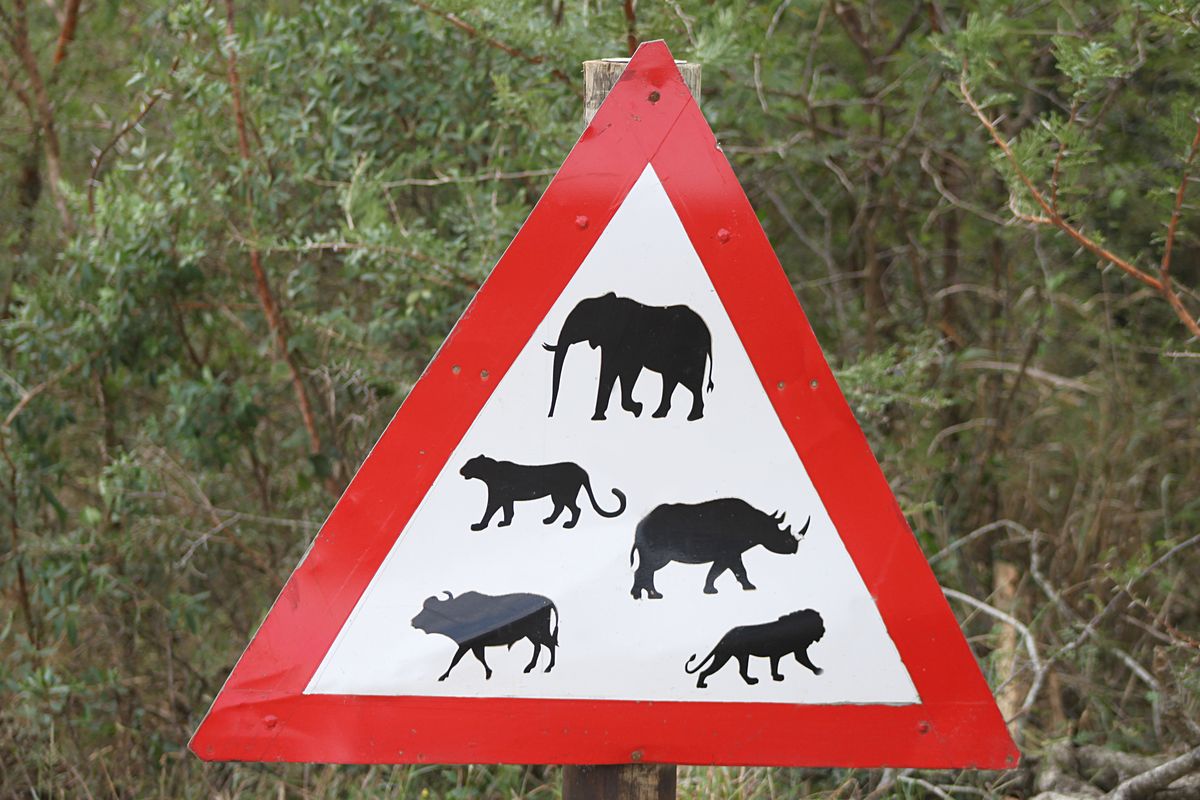
2. The Traffic Rules That Actually Matter
Uganda drives on the left, in right-hand-drive vehicles. This is the same convention as the UK, Kenya, Tanzania, and most of East and Southern Africa.
If you’re coming from a left-hand-drive country, give yourself the first hour or two to adjust, especially at roundabouts and junctions where old habits creep back in under pressure.
Speed limits are enforced and worth actually following, not just for the fine but because Uganda’s roads reward caution:
Urban / town areas – 50 km/h
Rural paved roads – 80 km/h
Highways / expressways – 100 km/h
Unpaved / murram roads – 40–60 km/h (practical safety limit, not just a posted rule).
A few other rules that are genuinely enforced, not just theoretical:
Seatbelts are mandatory for the driver and front-seat passenger. Skipping this risks a fine around 100,000 UGX (roughly $27).
Handheld phone use while driving is banned. Hands-free systems are fine; holding the phone to your ear is not, and this carries a steeper fine which is about 200,000 UGX (roughly $54).
Drink driving limits sit at 0.08% blood alcohol, with random breathalyzer checks at checkpoints. Penalties escalate quickly here. Fines up to 2,000,000 UGX (roughly $550), potential imprisonment, and license revocation. This isn’t a rule to test.
At roundabouts, give way to traffic already circulating, and indicate your exit clearly. boda-boda motorcycles often cut through roundabouts unpredictably, so extra caution here pays off.
Overtaking happens on the right side of the vehicle ahead, and is prohibited on solid white lines, blind hills, curves, or near intersections.
None of this is unusual by international standards. it’s the same logic you’d find in most countries. The difference in Uganda is less about the rules themselves and more about road conditions and the mix of traffic you’re sharing the road with, which brings us to the hazards worth actually planning around
Real Road Hazards Worth Planning For
The rules are straightforward; the driving environment is what deserves your attention.
Avoid driving after dark if you can help it. This is the single biggest safety recommendation for self drive in Uganda, and it’s not scare mongering.
Unlit vehicles, potholes that are invisible at night, and animals or pedestrians on unlit rural stretches make night driving genuinely riskier than daytime driving. Plan your routes so you’re arriving at your lodge or hotel before sunset, with a buffer for delays.
Boda-boda motorcycles are everywhere and weave unpredictably. They’ll pass on either side, cut across junctions, and appear from gaps you wouldn’t expect a vehicle to fit through. Give them room and expect the unexpected, especially in and around Kampala.
Rainy seasons (roughly March–May and September–November) worsen rural and murram roads significantly.
Routes that are perfectly manageable in dry season can slow down considerably after heavy rain, so build extra time into your itinerary if you’re traveling during these windows.
Heavy trucks and buses overtake aggressively and have long braking distances. Keep a generous following distance, especially on highway stretches shared with long-haul freight.
None of these hazards should put you off self driving in Uganda. Thousands of tourists do it safely every year but knowing them in advance means you plan your driving days sensibly instead of learning the hard way.
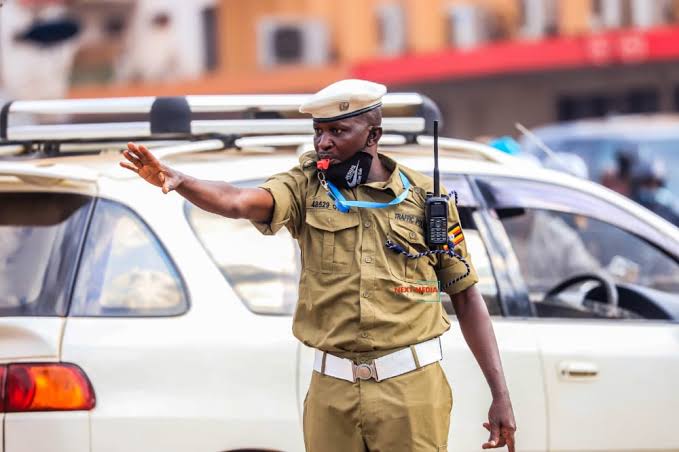
What Actually Happens at a Police Checkpoint
Checkpoints are a completely normal, frequent part of driving in Uganda. You will pass through several on any long-distance route, particularly near highways and national park entrances.
They are not a sign that something’s wrong, and most stops are routine document checks that take a minute or two.
Officers wear white and khaki uniforms and will ask to see your license, IDP (if applicable), and sometimes your rental agreement. Have your document folder within easy reach so you’re not fumbling through bags at the roadside.
Stay polite and cooperative. this is the fastest way through any checkpoint. If you’re issued an actual fine, the recommended approach is to pay it through the official channel (a bank deposit) rather than handing over cash directly at the roadside; this keeps the process transparent and protects you from any ambiguity about where the payment went.
If you’re ever unsure whether a request is legitimate, it’s reasonable to politely ask for the officer’s details or the formal citation. A genuine fine will have proper paperwork behind it.
How Rental Insurance Actually Works (Read This Before You Sign)
This is the part most rental listings gloss over, and it’s where self-drivers get caught out.
What’s included as standard: comprehensive coverage (collision, theft, fire, vandalism) plus mandatory third-party liability, which covers damage or injury you cause to others.
A Collision Damage Waiver (CDW) caps what you’d personally owe at an “excess” amount rather than the full vehicle value and ranges between USD 500 to USD 2,000 depending on the vehicle.
Many companies, including ours, offer an optional “Super Cover” add-on (around $20/day) that reduces that excess to zero, which is worth considering if you’d rather not think about it at all during your trip.
What’s usually excluded, regardless of which coverage tier you pick: tire and sidewall damage, windshield and glass damage, undercarriage damage from rocks or speed bumps, and personal belongings left in the vehicle.
Budget for these separately, or drive with enough care that they don’t come up.
What voids coverage entirely: this is the part worth reading twice before you set off:
– Driving after dark (commonly defined as after around 7 PM)
– Driving off designated tracks inside national parks
– Single-vehicle rollovers caused by reckless driving
– Forcing a vehicle through deep water and causing engine damage
Every one of these lines up with the road hazards above which is exactly why they’re excluded. Insurers and rental companies are, in effect, telling you what actually causes claims.
If you’re planning to cross into Rwanda or Kenya, know that standard Uganda rental insurance doesn’t extend across the border. You’ll need a COMESA Yellow Card (roughly $50) plus a letter of authority from your rental company before you leave Uganda. Arrange both in advance, not at the border.
If something does happen: prioritize safety first, set out hazard triangles, contact us immediately, photograph all damage before moving the vehicle if it’s safe to do so, and get an official police report.
This is required for any insurance claim to go through.
What to check before you set off
Before you drive off with your 4×4 car rental in Uganda, make sure you have:
1. Original home driving license + IDP (if applicable), carried together
2. Passport and rental agreement in the same document folder
3. A clear understanding of your insurance excess and what voids it
4. A route plan that gets you to your destination before dark
5. Your rental company’s 24-hour emergency contact saved in your phone
Frequently Asked Questions about Car rental in Uganda
Can I drive in Uganda on my regular foreign license?
If it’s from an English-speaking country, generally yes, though we recommend traveling with an IDP as well.
If it’s from a non-English-speaking country, an IDP is required alongside your original license.
Is it safe to self drive in Uganda as a tourist?
The country is manageable to self drive, provided you avoid night driving, respect speed limits on unpaved roads, and keep some distance from motorcycles and heavy trucks.
What happens if I’m stopped at a checkpoint by traffic officers and don’t have my documents?
This can result in delays or a fine, so it’s worth double-checking your document folder before every drive. Keep everything together in one place in the vehicle so it’s never a scramble.
Does rental insurance cover driving into Rwanda or Kenya?
No. Standard Uganda coverage stops at the border. You’ll need a COMESA Yellow Card and a letter of authority from us arranged in advance.
What’s the minimum age to rent a self drive car in Uganda?
Uganda’s general legal driving age is 18, but most rental companies including us require renters to be at least 23.
Ready to Book Your Uganda Self drive in Uganda
Knowing the rules is half the preparation. The other half is renting from a company that’s upfront about what’s covered, what isn’t, and what to expect on the road.
If you’ve got questions about a specific route or vehicle before you book,